
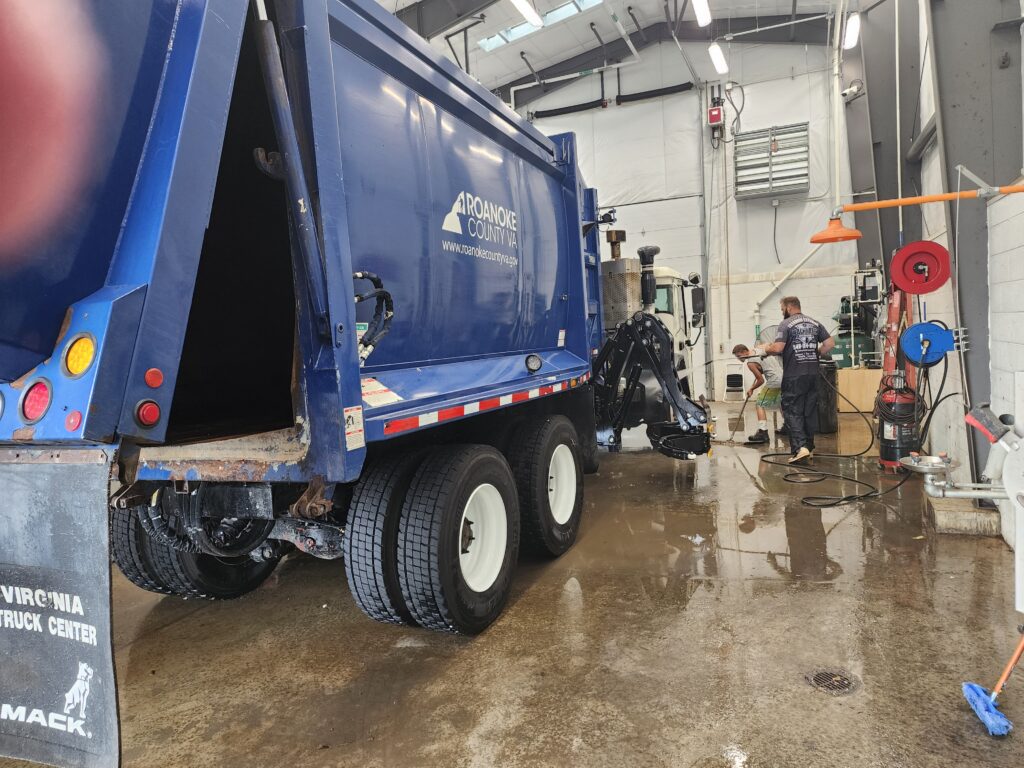
When businesses or contractors perform pressure washing, a lot of dirty water is produced—often containing oil, grease, chemicals, detergents, dirt, and other contaminants. If this wastewater is not properly managed, it can flow into storm drains and pollute local waterways.
This is where wash water recovery comes in. It’s an essential environmental and regulatory practice that helps collect, filter, and properly dispose of wastewater generated during cleaning operations.
What Is Wash Water Recovery?
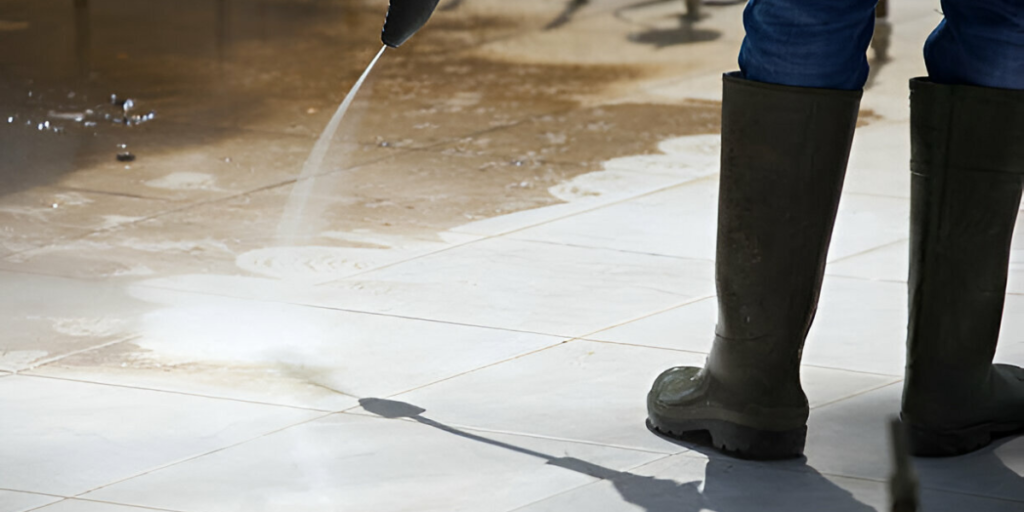
Wash water recovery is the process of capturing, containing, and treating wastewater produced during pressure washing or surface cleaning. Instead of allowing water to run off into streets, parking lots, or storm drains, specialized equipment collects it for proper disposal or filtration.
It typically involves:
- Containment barriers or vacuum systems
- Surface water recovery mats or squeegees
- Vacuum recovery units
- Filtration or separation systems
The goal is simple: keep contaminated water out of the environment.

Why Is Wash Water Recovery Important?
1. Protects the Environment
Without recovery systems, dirty wash water can enter storm drains and flow directly into rivers, lakes, and oceans. This can harm wildlife and damage ecosystems.
Common pollutants include:
- Oil and fuel residue
- Cleaning chemicals
- Heavy metals
- Sediment and debris
2. Required by Environmental Regulations
In many areas, including parts of the United States, businesses are required to follow EPA (Environmental Protection Agency) guidelines that prohibit discharge of contaminated water into storm drains.
Failure to comply can result in:
- Fines and penalties
- Legal issues
- Project shutdowns
Wash water recovery helps ensure compliance with local and federal regulations.
3. Prevents Water Pollution
Storm drains are not treated like sewage systems. Anything that goes into them often flows directly into natural water bodies.
Wash water recovery prevents:
- Chemical contamination
- Algae blooms caused by runoff
- Harm to aquatic life
- Long-term environmental damage
4. Improves Public and Property Safety
Uncontained wash water can create slippery surfaces around job sites.
Recovery systems help:
- Reduce slip-and-fall hazards
- Keep work areas clean and controlled
- Prevent water from spreading into traffic zones
This is especially important for commercial properties, parking lots, and sidewalks.
5. Essential for Commercial Pressure Washing Projects
Wash water recovery is especially important for:
- Shopping centers
- Restaurants
- Gas stations
- Industrial facilities
- Municipal properties
These locations often contain oils, grease, and chemicals that must be properly contained and disposed of.
How Wash Water Recovery Works
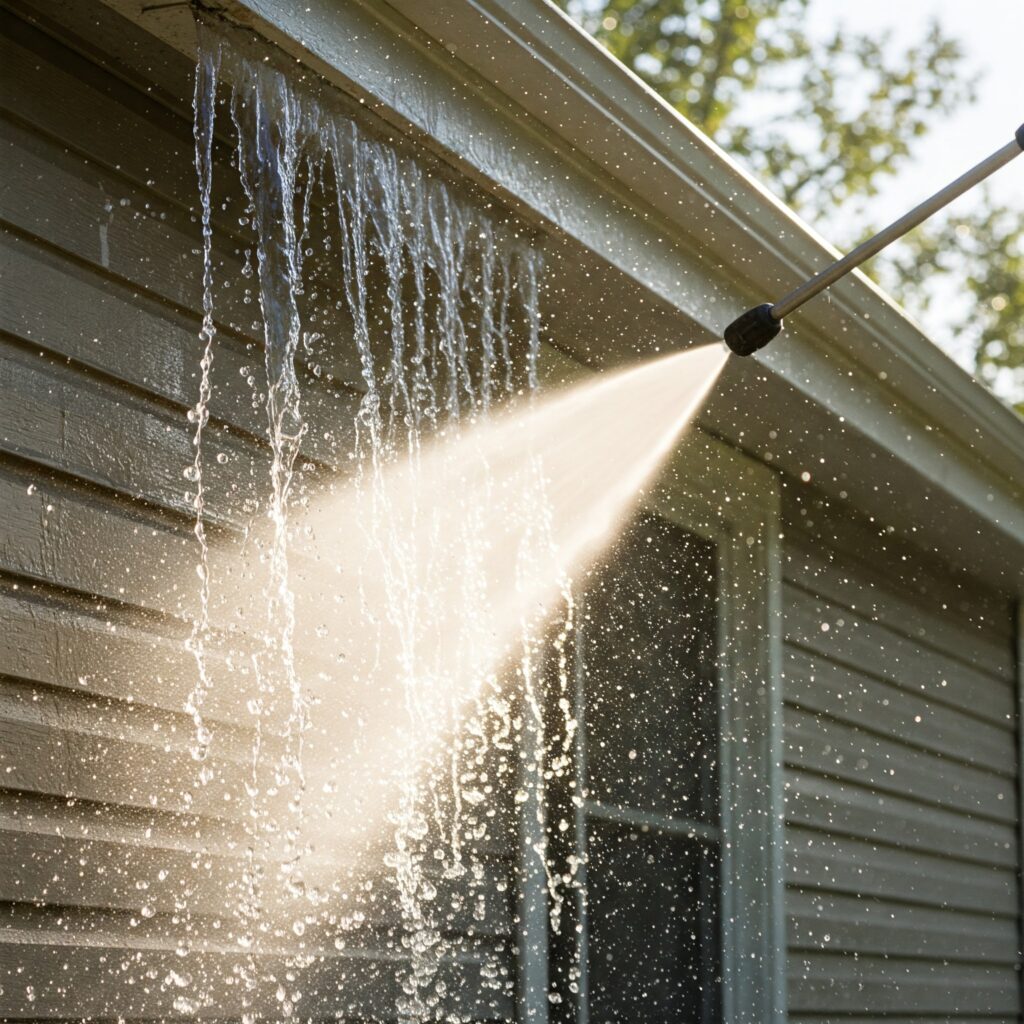
The process typically follows these steps:
1. Site Preparation
The area is assessed and containment systems are set up to prevent runoff.
2. Pressure Washing
Surfaces are cleaned using standard or soft washing methods.
3. Water Capture
Specialized vacuums, booms, or mats collect the dirty water before it reaches drains.
4. Filtration (If Required)
Some systems filter out solids, oil, and debris before disposal.
5. Proper Disposal
Recovered water is disposed of according to environmental regulations, often into approved wastewater systems.
Benefits of Wash Water Recovery
- Protects the environment and waterways
- Ensures compliance with regulations
- Reduces legal and financial risks
- Improves job site safety
- Enhances professional service quality
- Supports sustainable cleaning practices
Who Needs Wash Water Recovery?
This service is commonly required for:
- Commercial pressure washing contractors
- Government or municipal cleaning projects
- Gas stations and auto shops
- Industrial facilities
- Large parking lot cleaning jobs
- Any job near storm drains or waterways
Final Thoughts
Wash water recovery is more than just a best practice—it’s a critical environmental responsibility. By properly capturing and disposing of wastewater, businesses help protect natural water systems, comply with regulations, and maintain safer job sites.
As pressure washing continues to be widely used for commercial cleaning, wash water recovery ensures that cleanliness doesn’t come at the cost of environmental harm.