
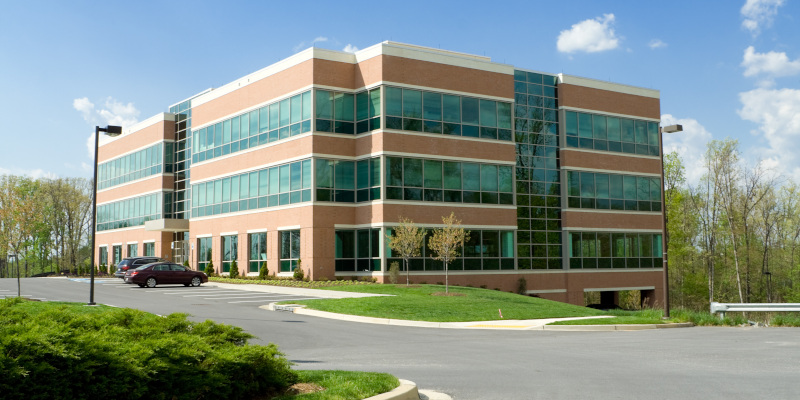
Commercial properties are constantly exposed to dirt, pollution, weather, foot traffic, and spills. Over time, these elements can make buildings look worn out and unprofessional. Regular pressure washing is one of the most effective ways to maintain a clean, safe, and welcoming business environment.
Knowing which areas need routine cleaning helps property owners protect their investment and improve curb appeal. Here are the top areas of a commercial property that require regular pressure washing.
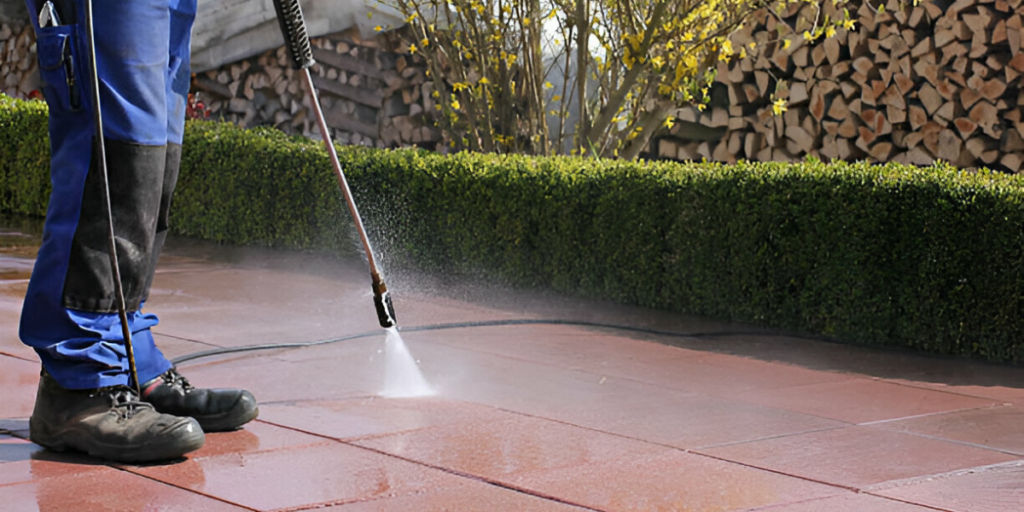
1. Building Exterior Walls
The exterior walls are the first thing customers see, and they collect dirt quickly.
Common issues include:
- Dust and pollution buildup
- Mold and mildew growth
- Water stains and streaking
- Algae in humid climates
Why it matters:
A clean exterior creates a strong first impression and reflects a well-maintained business. Regular washing also helps prevent long-term surface damage.
2. Parking Lots and Parking Garages
Parking areas collect some of the heaviest buildup on commercial properties.
Common issues:
- Oil and grease stains
- Tire marks
- Gum and trash residue
- Dirt and debris accumulation
Why it matters:
Clean parking areas improve safety, reduce slip hazards, and enhance the overall appearance of the business.
3. Sidewalks and Walkways
Sidewalks are high-traffic areas that quickly become dirty and slippery.
Common issues:
- Gum buildup
- Food and drink spills
- Dirt and mud
- Mold in shaded areas
Why it matters:
Clean walkways help prevent slips and falls, reducing liability risks for business owners.
4. Storefronts and Entrances
The entrance is where customers form their first impression.
Common issues:
- Dirt buildup on glass and doors
- Fingerprints and smudges
- Mold around awnings and frames
- Stained concrete near entryways
Why it matters:
A clean entrance makes your business look professional, welcoming, and trustworthy.
5. Roofs and Overhangs
Many business owners overlook roof cleaning, but it plays a major role in maintenance.
Common issues:
- Algae and moss growth
- Black streaks
- Debris buildup from trees
- Blocked drainage areas
Why it matters:
Routine cleaning extends roof lifespan and prevents water damage and costly repairs.
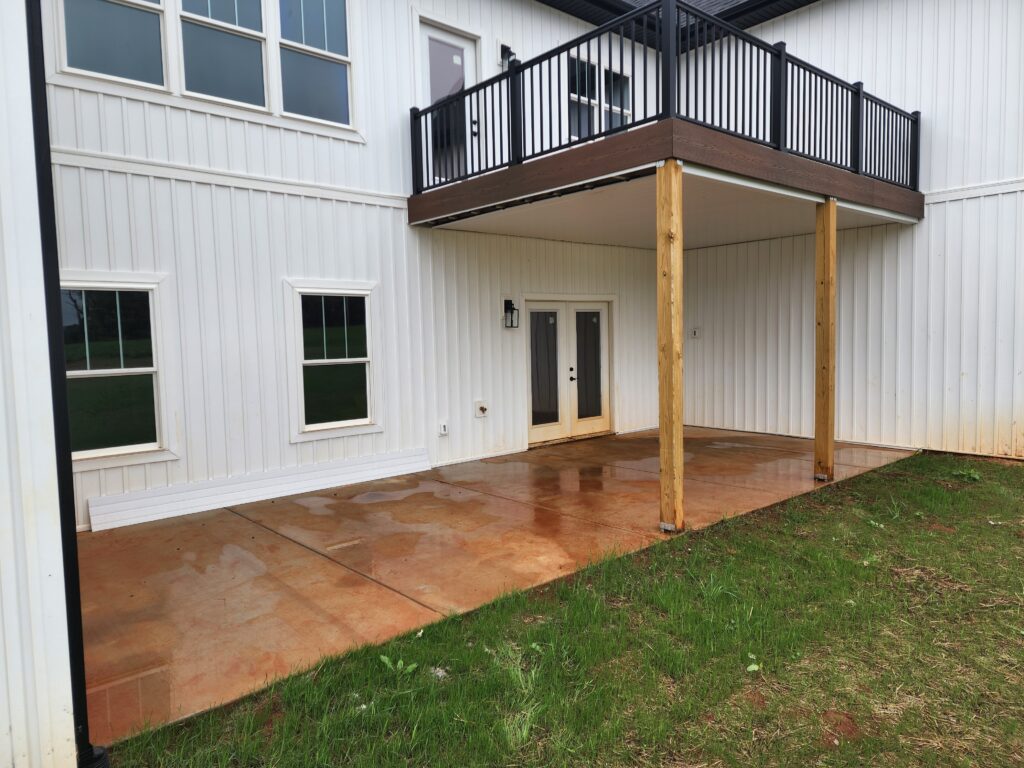
6. Loading Docks and Service Areas
These areas experience heavy use and frequent spills.
Common issues:
- Grease and oil leaks
- Dirt from deliveries
- Stains from equipment and pallets
- Standing water or residue
Why it matters:
Keeping loading areas clean improves safety and helps maintain operational efficiency.
7. Dumpster Pads and Waste Areas
Dumpster areas are often the dirtiest parts of a commercial property.
Common issues:
- Foul odors from waste buildup
- Grease and liquid leaks
- Rodents and pest attraction
- Heavy staining
Why it matters:
Regular cleaning helps maintain sanitation standards and prevents pest problems.
8. Drive-Thru Lanes (Restaurants & Retail)
Drive-thru areas see constant vehicle traffic and spills.
Common issues:
- Oil stains and tire marks
- Food and drink spills
- Trash accumulation
- Sticky residue buildup
Why it matters:
A clean drive-thru improves customer experience and reflects well on the business brand.
9. Exterior Signage and Awnings
Signs and awnings are highly visible branding elements.
Common issues:
- Dirt and dust buildup
- Mold and mildew
- Fading appearance due to grime
- Bird droppings
Why it matters:
Clean signage improves visibility and strengthens brand image.
10. Fences, Walls, and Perimeter Areas
Common issues:
- Algae and mildew growth
- Rust stains on metal fences
- Dirt accumulation along boundaries
Why it matters:
Clean perimeter areas enhance overall curb appeal and security perception.
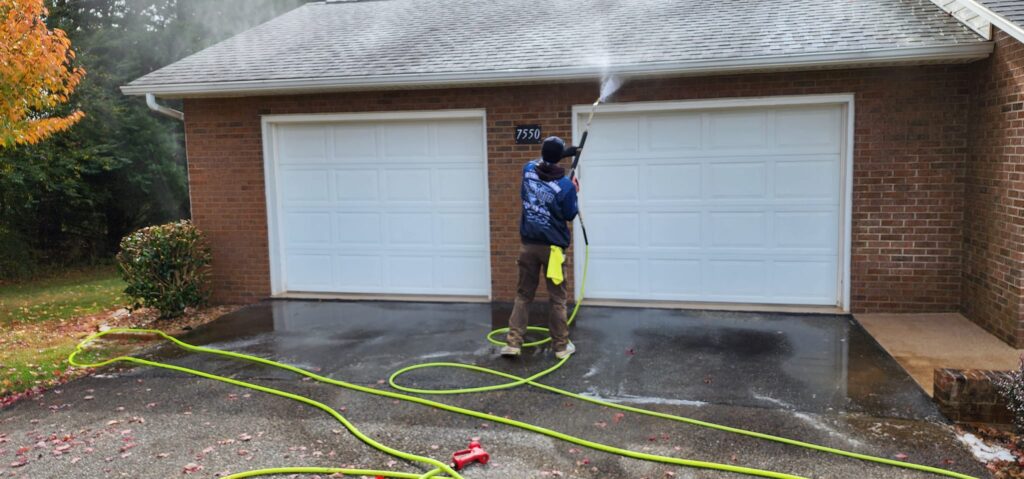
How Often Should Commercial Properties Be Pressure Washed?
Frequency depends on location, usage, and environment:
- High-traffic businesses (restaurants, retail): Every 1–3 months
- Office buildings: Every 3–6 months
- Industrial properties: Quarterly or as needed
- Parking lots & sidewalks: At least twice a year
In humid or rainy climates, more frequent cleaning may be necessary to control mold and algae growth.
Benefits of Regular Pressure Washing
- Improves curb appeal
- Extends surface lifespan
- Reduces slip-and-fall risks
- Prevents long-term staining and damage
- Creates a healthier environment
- Enhances customer perception
Final Thoughts
Regular pressure washing is not just about appearance—it’s about safety, maintenance, and protecting your investment. Commercial properties that stay clean consistently attract more customers, operate more safely, and avoid costly long-term repairs.
By focusing on high-traffic and high-exposure areas like entrances, parking lots, sidewalks, and dumpster zones, business owners can keep their properties looking professional year-round.